Enquire About This Tour Code FGZ Gorillas & Zanzibar
Duration: 26 Days Route: Nairobi to Dar es Salaam Style: Overland Tours Price: US$4,249.00
Uganda, Kenya, Tanzania
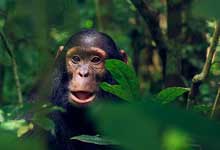
Be introduced to one of the most incredible animals, the rare mountain gorilla. Larger than any other primate, a visit to a family group of gorillas in the Ugandan rainforest is a once-in-a-lifetime experience. During this Africa tour we visit other top quality national parks teeming with wildlife, including the Masai Mara National Reserve, Serengeti National Park and Lake Nakuru with its colossal flamingo population, then relax with a visit to Zanzibar Island.
The tour that we operate in the reverse direction is Gorillas & Zanzibar (FZG).
Detailed Itinerary
Day 1 to 1 - Arrive Nairobi
The first day of your tour is simply an arrival day with no pre-organised activities. In order to allow time to relax and see some of the sights you may wish to add pre tour accommodation. On arrival please ask at the reception for information on when the pre departure meeting will be held.
Nairobi takes its name from a small stream known by the Masai phrase Enkare Nyirobi, which means "the place of cool waters". The capital and largest city of Kenya, Nairobi was founded in 1899 but the area the city was built on was little more than a swamp land until the East Africa railways built a small camp by the Nairobi River. The town quickly developed into the administrative nerve centre of the Uganda Railway and is now a busy, modern metropolis with a thriving cultural scene.
During your stay in Nairobi you can visit some of the markets -City Market, Village Market, Masai Market (on Tuesdays), perhaps visit the Arboretum, Kenya Railway Museum or Karen Blixen Museum, then take a moment to visit the National Museum. You'll find the city comes to life at night with a lively music scene, while there are many cafés and international restaurants to choose from.
Day 2 to 3 - Masai Mara National Reserve
The Masai Mara National Reserve covers an area of 1,800 square kilometres and is one of the best known and most popular game parks in Africa. The Mara, as it is known locally, lies in the Great Rift Valley and you will spend the first afternoon on an exciting game drive with the chance to see many of Africa's most famous wild animals.
All members of the 'Big 5' game animals can be found here, including lions, elephants, Cape buffaloes, leopards and if you're very lucky, rhinoceros. The reserve is also home to large herds of wildebeest, zebra, impala, Thomson's and Grant's gazelle, giraffe and antelope, which attract carnivores such as cheetahs, hyenas, jackals and even the elusive leopard, so there is certainly plenty to see. Hippopotamus can be seen at the Mara River and birds come in every size and colour, with storks, horn bills, falcons, eagles, hawks and vultures among them, as well as Kenya's national bird the lilac-breasted roller.
The reserve is particularly famous for the Great Migration, the annual movement of wildebeest, zebra, eland and gazelle which proceeds along a 600 kilometre route from Tanzania's Serengeti to the Masai Mara and back again, via the Mara River. The herds are colossal and the wildebeest in particular can number into the millions, which makes for an awe-inspiring sight as they thunder across the plains and valleys. The Great Migration starts around July in the Serengeti and the herds leave the Masai Mara to return to the Serengeti in around October or November each year.
During your stay in the Mara you will visit a Masai village. The tall, red-robed Masai are distinctive for their unique customs and striking traditional dress, including intricate beaded jewellery, which makes them one of the most easily recognised ethnic groups of Africa. Despite the urgings of the Kenyan and Tanzanian governments to settle in fixed areas, the Masai prefer to maintain their traditional semi-nomadic lifestyle, driving their cattle to grazing areas and water. We will visit a local Masai village to experience what life is like in a traditional community and perhaps learn how the Masai construct their dwellings from locally sourced materials.
Make sure your memory cards are empty and your batteries are charged before you go. We will camp overnight near the park surrounded by the sounds of the African wildlife.
Day 4 to 6 - Eldoret – Jinja
The city of Eldoret is located in western Kenya on the Uasin Gishu Plateau west of the Great Rift Valley and was originally known as '64', because it was located 64 miles from the newly built Uganda Railway railhead at Kibigori. We will spend a night in Eldoret before moving on to Uganda.
As well as being close to the source of the Nile, Jinja is Uganda's extreme sports hub, so it's time to get into some adrenaline-fuelled optional activities. A popular option is white water rafting on the longest river in the world, the Nile, which begins its 6,500 kilometre journey to the Mediterranean Sea on the west side of Jinja. You can also go quad biking to local villages along the riverbank, and bungy jumping to a height of 44 metres. You may also have the option to do some community work with Soft Power, a local charity committed to improving the educational facilities with Uganda. Your tour leader will be able to give you more information about this.
Day 7 to 10 - Gorilla Trek – Lake Bunyonyi
Kabale is a market town and a transportation hub as the main road through to Kigali runs through it. Here will be your base for the Gorilla Trek and excursions to Lake Bunyonyi.
The day of your trek begins at the ORTPN offices with a briefing before being transferred by 4WD to where the trekking begins. Our guides will track gorilla spoor and look for signs of the gorillas' last movements. Gorilla trekking is unpredictable and the distance can vary as gorillas may move very little or travel some distance while foraging for food. Trekking can be physically demanding at times and the weather can be very changeable, but the once-in-a-lifetime experience of seeing these magnificent animals in the wild will be entirely worth the effort. It is possible that you may be lucky enough to come within arm's length of these beautiful creatures if they approach you, but you are required to maintain a distance of seven metres from the animals at all times. Please note that your time with the gorillas is restricted to 60 minutes to safeguard the families from too much human contact. Further information can be found in the gorilla trek information sheet.
At the picturesque Lake Bunyonyi, you can enjoy a cruise on the lake, perhaps take a swim and enjoy a guided visit to a local village. Meaning 'place of many little birds', Lake Bunyonyi is about 29 kilometres long and 7 kilometres wide, dotted by 29 islands. Look out for Uganda's national bird, the crested crane, among the 200 other bird species in the area.
Day 11 to 12 - Kampala – Nakuru
Heading on we will make our way to Kampala, Uganda's bustling capital city. There are numerous craft markets to explore as well as some lively restaurants and bars. We will spend an evening here and you can use your free time to get a feel for city life, try some typical Ugandan cuisine and catch up on emails.
In the morning we depart for Nakuru, which lends its name to both the lake and the national park that surrounds it. Driving across the top of the Great Rift Valley we admire the spectacular views along the way before dropping down into the valley itself. The Great Rift Valley stretches around 5,000 kilometres from Lebanon to Mozambique but Nakuru is the best place along its entire length to view it. We arrive in the afternoon with time for you to explore the town and visit the local craft market.
The following morning we will take a full day game drive in minivans to view more wildlife than your memory card can handle including leopards, lions, cheetahs, zebras, buffalo, Rothschild giraffes and white rhinos. Lake Nakuru offers one of Africa's most spectacular wildlife sights, with a legion of thousands, sometimes millions of pink flamingos feeding along the shores. The birds take their vibrant pink colour from the algae and shrimp which they feed on at the water's edge. There are 400 other bird species which can be seen in the area including terns, stilts, ducks, herons, pelicans, kingfishers, cormorants and more. At Lake Nakuru National Park the critically endangered black rhino population is experiencing some success and is slowly increasing due to a breeding program.
Day 13 to 16 - Naivasha – Nairobi
Lake Naivasha is the second largest freshwater lake in the Great Rift Valley and is a great place to enjoy a boat cruise or take a half day trip to the green crater lake for a guided bush walk. From our campsite you will be able to hear and maybe spot hippo wallowing in the fresh water and enjoy the many different species of birdlife found in the thick papyrus and forests of acacia trees fringing the lakeshore. You may also see colobus monkeys and giraffes near the lake.
You will have plenty of free time to explore the nearby Hell's Gate National Park which is home to a profusion of game and birdlife. Being mindful of the buffaloes you can enter this park on foot and is one of the rare parks in Africa where you can explore by mountain bike. Whether you choose to cycle or walk, this park offers a unique experience as you can explore the dramatic scenery at your own pace. Towering cliffs, volcanic peaks, gorges and natural hot springs and geysers can be seen here. Gazelle, zebra, baboons are common sightings and birds of prey are of special interest, particularly the lammergeyer. You may also like to visit Elsemere, the former home of the late Joy Adamson, who became famous for her relationship with the lioness Elsa in the film Born Free. At Elsemere you can look around the house and have a cup of tea in the garden while watching the delightful colobus monkeys in the trees overhead. We will camp by the lake for two nights before heading back to Nairobi.
Once you have returned to the bright, busy capital, you may enjoy a meal at the famous African buffet restaurant called Carnivores, where meat is served from Masai spears until you can eat no more and raise your flag in surrender!
Day 17 to 20 - Arusha – Serengeti National Park – Arusha
Arusha is a busy, bustling town with email, coffee shops, banks and many other modern amenities. During your stay you will visit the famous Serengeti National Park and the Ngorongoro Crater . Both excursions are run by local operators in 4WD vehicles.
The Serengeti National Park is one of the most famous wildlife reserves in Africa and is a premier safari destination. If you are lucky enough to be visiting around the time of the largest mammal migration in the world, you'll see over a million-strong herd of wildebeest and about 200,000 zebra thundering down from the northern hills to the southern plains to follow the short African rainy season. Known as the Great Migration, this mass movement of herds takes place every year around July or August. The instinct to move is so strong that no crocodile infested river, gorge or plain can hold them back and it makes for a truly astonishing, magical sight.
Even when the migration is not happening, there are massive numbers of different animals to see. You may spot charismatic predators such as cheetah as well as dramatic birds of prey. Keep your eyes peeled for the 'Big 5', namely lions, leopards, Cape buffaloes, rhinos and elephants as you explore the park. Meanwhile, jackals, foxes, mongoose, snakes, lizards and skinks are also present in impressive numbers. Dung beetles, grasshoppers, ants and butterflies are among the insect species you may see around you.
The Ngorongoro Volcano, before it exploded and collapsed 2 million years ago, was one of the world's tallest mountains. Today, the crater is one of the most stunning natural wonders in the world, approximately 610 metres deep with an enclosed area of about 260 square kilometres and is an important part of the World Heritage-listed Ngorongoro Conservation Area. The sides of the crater are very steep, which creates a natural enclosure for a wide variety of wildlife, although zebra and wildebeest are able to move through it. There is also a dense population of lions in the area, as well as a soda lake inhabited by flamingos and other wading birds. You'll have the opportunity to get very close to the game in the open plains and take excellent photos of the animals in their natural habitat.
Day 21 to 25 - Dar es Salaam – Zanzibar – Dar es Salaam
Dar es Salaam is a bustling port on the Indian Ocean and our gateway to the exotic island of Zanzibar.
The 'Spice Island' of Zanzibar is famous for spices and produce, and supposedly boasts the sweetest pineapple in the world. In the nineteenth century it was one of the most important trading centres in the Indian Ocean region trading cloves, nutmeg, cinnamon, and pepper. Zanzibar was also a hub of the African slave trade and later played a key role in its demise. It takes around 2.5 to 3.5 hours to travel to the island, also known as Unguja, by fast ferry, depending on which boat we catch. We will spend our days on Zanzibar Island in Stone Town and also at some of the island's beaches on the northern side of the island.
Stone Town is the oldest city and cultural heart of Zanzibar. Listed as a UNESCO World Heritage Site, little has changed here over the last 200 years. Stone Town boasts a labyrinth of walled streets, winding alleys, bustling mosques and grand Arab architecture. The Old Dispensary, Scottish explorer and abolitionist David Livingstone's house, the Peace Memorial Museum, the Palace Museum and Arab Fort are all worth visiting. You can spend many idle hours simply wandering the streets, shopping at the bazaars and admiring the intriguingly decorated elephant-proof doors before sitting down to watch the sun set over a cold beer and a sumptuous seafood feast. If food is your thing, make sure you also check out the excellent night market which serves traditional local fare. Women should note that Stone Town has a high Muslim population so please remember bring appropriate clothing and cover up.
The most beautiful, isolated beaches in Zanzibar lie to the north and east of the island. Boasting sparkling blue ocean and golden sands fringed with palm trees, these beaches are nothing short of paradise. There are plenty of options available here. Relax and take it easy, indulge with a massage or go diving, snorkelling or swimming with dolphins. After several days in this delightful location we will depart in the morning and head back to Dar es Salaam.
Day 26 to 26 - Depart Dar es Salaam
Your adventure of a lifetime comes to an end today, please confirm with the reception the check out time. If you have a late flight or have lengthened your stay by adding post tour accommodation you will have more time to explore the sights.
The itinerary listed above is to be used as a guide only. Occasionally we may need to update this document and it may be different to the information printed in our current brochure. Tour leaders may need to make adjustments due to unforeseen circumstances during the tour. It is very important that you visit our website and review a copy of this dossier as close as possible to your departure date in case of changes that may affect your plans. Any last minute changes may also be posted in the latest news section of our website.
Day by Day Itinerary
| Day | Activity | Country | Meals |
| Day 1 | Nairobi | Kenya | D |
| Day 2 | Masai Mara NP | BLD | |
| Day 3 | Masai Mara NP | BLD | |
| Day 4 | Eldoret | BLD | |
| Day 5 | Jinja | Uganda | BLD |
| Day 6 | Jinja | BLD | |
| Day 7 | Lake Bunyonyi | BLD | |
| Day 8 | Lake Bunyonyi | D | |
| Day 9 | Lake Bunyonyi | D | |
| Day 10 | Lake Bunyonyi | Uganda | D |
| Day 11 | Kampala | BLD | |
| Day 12 | Nakuru | Kenya | BLD |
| Day 13 | Naivasha | BLD | |
| Day 14 | Naivasha | BLD | |
| Day 15 | Nairobi | BLD | |
| Day 16 | Nairobi | BLD | |
| Day 17 | Arusha | Tanzania | BLD |
| Day 18 | Serengeti NP | BLD | |
| Day 19 | Serengeti NP | BLD | |
| Day 20 | Arusha | BLD | |
| Day 21 | Dar es Salaam | BLD | |
| Day 22 | Zanzibar | B | |
| Day 23 | Zanzibar | B | |
| Day 24 | Zanzibar | B | |
| Day 25 | Dar es Salaam | BD | |
| Day 26 | Dar es Salaam |
(B - Breakfast, L - Lunch, D - Dinner included)
Please note the day to day itinerary above is given as a GUIDELINE ONLY.