
$1 £1 €1 Deposit
Book Your Dream Destination with Zero Risk
Secure your holiday with zero risk and change your departure date for free up to 30 days before. Booking Conditions apply.
Tours depart from Spring 2021 through to 2022. Get excited and lock in your dream trip!
Adventure Tours with Tucan Travel
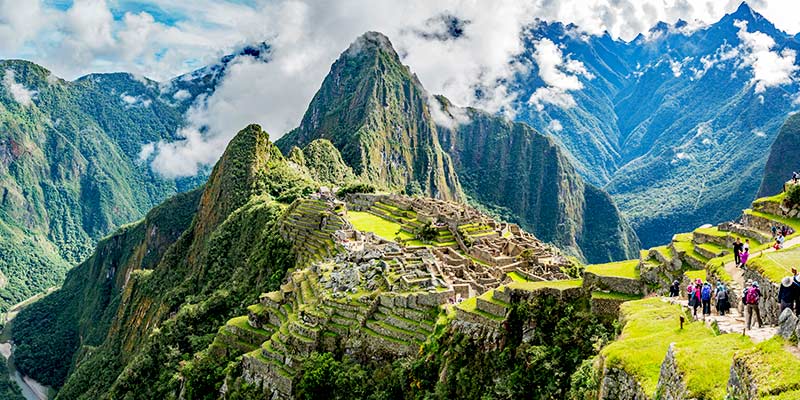
We have something for everyone, whether you are a solo traveller, travelling with friends or even a family looking for an adventurous getaway. We have wildlife trips, active adventures or escorted tours combining several different countries. Meet local communities, discover new cultures and enjoy an authentic experience travelling around the world.
Destinations we visit



Recommended Tours
$1 £1 €1 DEPOSIT
Book your
Dream Destination
with zero risk
Secure your holiday with zero risk and change your departure date for free up to 30 days before.
Tours depart from early 2021 through to 2022.
Why choose Tucan Travel?
The majority of our tours include a Local Payment which keeps the total tour price low.
We’re an award winning company, having won 6 awards last year!
We have been operating since 1987 - 33 years of taking Tucan Travellers across the world.
A whopping 60% of our passengers on our group tours are solo travellers.
We adhere to a strict responsible travel policy and are committed to the welfare of wildlife.
Combinable Tours
Most of our tours are short sections of longer trips and can be combined to form an extended adventure.
Reviews
This Cuba journey was one of the best
"This Cuba journey was one of the best short tours that I have made with a tour company Organisation was tops and the itinerary could not be faulted. Tucan Travel selected accommodation that allowed an insight into the Cubans' life. The hospitality was first class. I've kept note of other tours being offered and hope to travel again soon"
Derek O'Dell

Traveled to Antarctica with a Tucan
"Traveled to Antarctica with a Tucan partner. It was cheaper to book through Tucan than directly with the ship operator. Antarctica was fantastic, like going to another planet."
Mark
Amazing trip through Southern Africa
"Amazing trip through Southern Africa. We witnessed nature at it's most incredible with trips to Victoria Falls, the Okavango Delta and Etosha National Park. Staying in tents next to wild elephants in Botswana was a particular highlight. I would recommend this trip to anyone."
Archie Burgess

Tucan Travel Blog

Underrated cities to visit in Europe
Sometimes the chaos of a popular tourist city is enough to make any traveller run for the hills. Long queues, crowded viewpoints, expensive ticket prices and sold out attractions.
Best places to visit in February
From Carnival celebrations in Rio de Janeiro to the white sand beaches of Zanzibar. There are plenty of places to discover on your February holiday.
1. South Western Sri Lanka

Travel Trends 2021
It’s probably an understatement that 2020 has been a year like no other for the majority of us. Covid-19 has affected each and every one of us and impacted aspects of our lives we took for granted.
Visit the Tucan Travel Blog channel
Youtube
Visit Tucan Travel's Youtube channel
Recent Awards
Back in 1987 Tucan Travel ran its first ever group tour through Colombia, South America - and this would be the first of many adventures across the globe! Over the last 33 years, Tucan Travel has brought travellers through Latin America, Africa, The Middle East, Asia and Europe. Whether it’s been trekking the Inca Trail to Machu Picchu, swimming through Mexican cenotes, watching lions on the prowl in Kenya or enjoying a bowl of pho in Vietnam, the experiences and memories made over the last three decades have created a wonderful community of like-minded travellers seeking authentic adventures.













Back to top
Independently Verified Travel Reviews From Past Clients
